The History of Virtual Production: From Film Backlots to LED Volumes
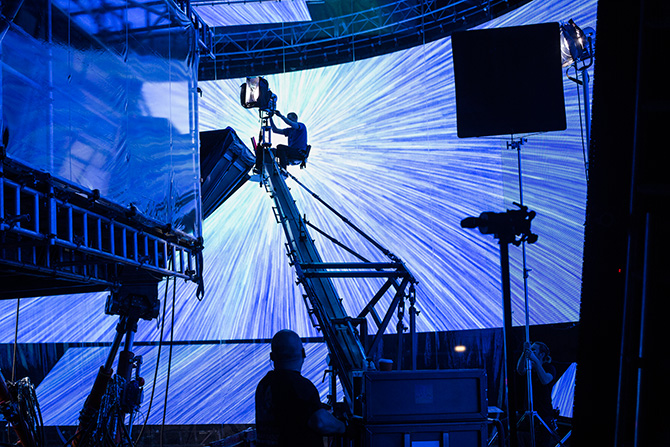
Virtual production has been on filmmakers’ lips for a couple of years now, but the techniques behind it are older than most people think. The idea of placing actors in a real-time environment — instead of in front of a green screen they can’t see — goes back decades, and each generation of technology made it a little more practical.
The pre-digital era. Before computers, filmmakers used rear projection: footage played behind the actors on a screen. It was crude by modern standards — lighting mismatches, soft focus — but the principle was there. Front projection and painted glass shots extended the trick, but the actor and the background never fully belonged to the same scene.
The green screen era. Chroma keying moved the background into post-production. Now the actor was shot against a flat color and the environment was composited in later. This gave enormous freedom, but it took the scene away from the performer. Actors performed to nothing, and the final image only existed after weeks of VFX work.
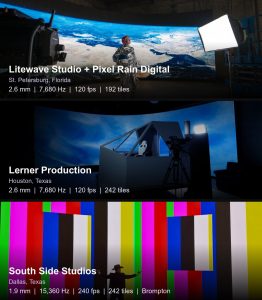
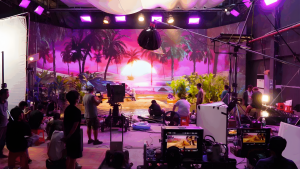
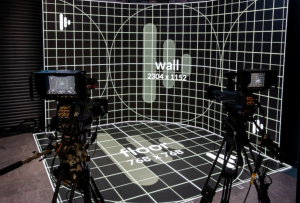
The LED volume era. The modern breakthrough is the LED volume: a curved, high-resolution LED wall surrounding the set, displaying the background in real time, tracked to the camera. When the camera moves, the background moves with it, so perspective stays correct. Actors see their environment; the camera records it in-camera; the lighting comes from the wall itself. That’s the shift that made the Mandalorian’s “volume” famous, and it’s now standard across film, TV, and broadcast.
Why it matters. It isn’t just about spectacle. The volume compresses production time — background plates are shot once, not composited for weeks. It restores performance, because actors react to a real environment. And it gives directors and DPs control that post-production compositing never allowed.
The history of virtual production is a long line of attempts to put actors and environment in the same room. LED volumes are the first version that genuinely does it. For studios deciding whether to invest, the trajectory is clear: this is where the craft is going.