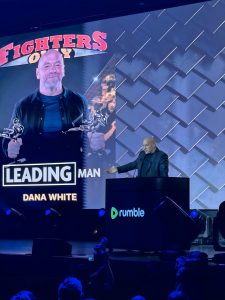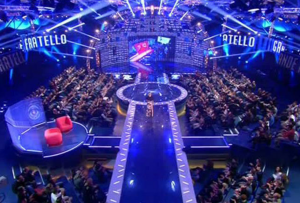
There are two ways to get an LED wall: rent one or own one. Both are legitimate, and which one makes sense depends almost entirely on how sure you are about the location and the numbers.
Lease first if you’re testing. Leasing keeps the commitment small while you learn what the display actually does for you.
- You can stop. Try it in front of your customers, watch the response, and if it’s not moving the needle, end the lease. No sunk cost in hardware.
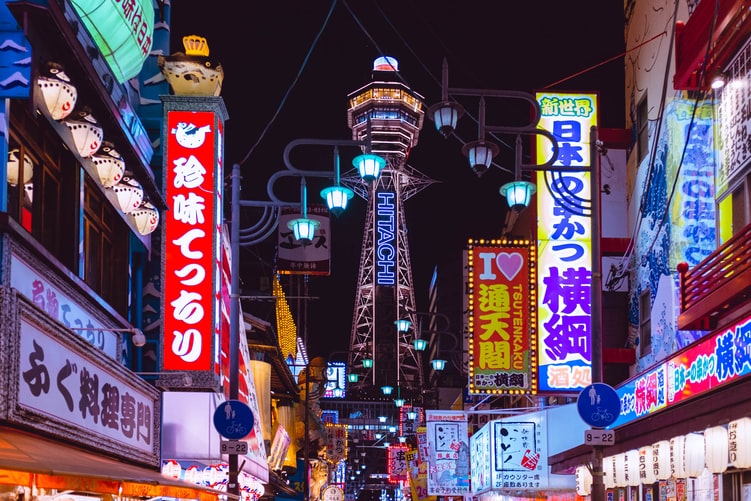
- You can move it. Traffic changes. A wall that’s dead on a side street might print money on the main drag. A lease lets you experiment with locations instead of being married to one.
- Repairs aren’t yours. If the display fails, the lessor fixes it. Your budget and your time stay intact.
The downside is the monthly fee, which can be steep in good locations — and if you’re sharing the screen with other advertisers, some of them may be competitors.
Buy when you know the spot works. Once a location proves itself, buying is the natural next step.
- You control the inventory. Your ads run when you want, no shared time slots.
- You can lease it out yourself. A wall you own can generate income when you’re not using it, offsetting the purchase.
- No rent. But now repairs and maintenance are on you. LED walls are durable and a safe long-term bet, but they aren’t maintenance-free.
- Works beyond advertising. A wall in your office or showroom serves staff and customers daily — education, product displays, wayfinding. Buying pays off for that kind of always-on use.
The bottom line. If you’re testing a market, lease. If you’ve proven the location and the display has a job beyond one campaign, buy. HOLODECK offers both routes — talk to our team and we’ll walk through the numbers for your situation.