
Are LED Screens the Next Step in Digital Display Technology?
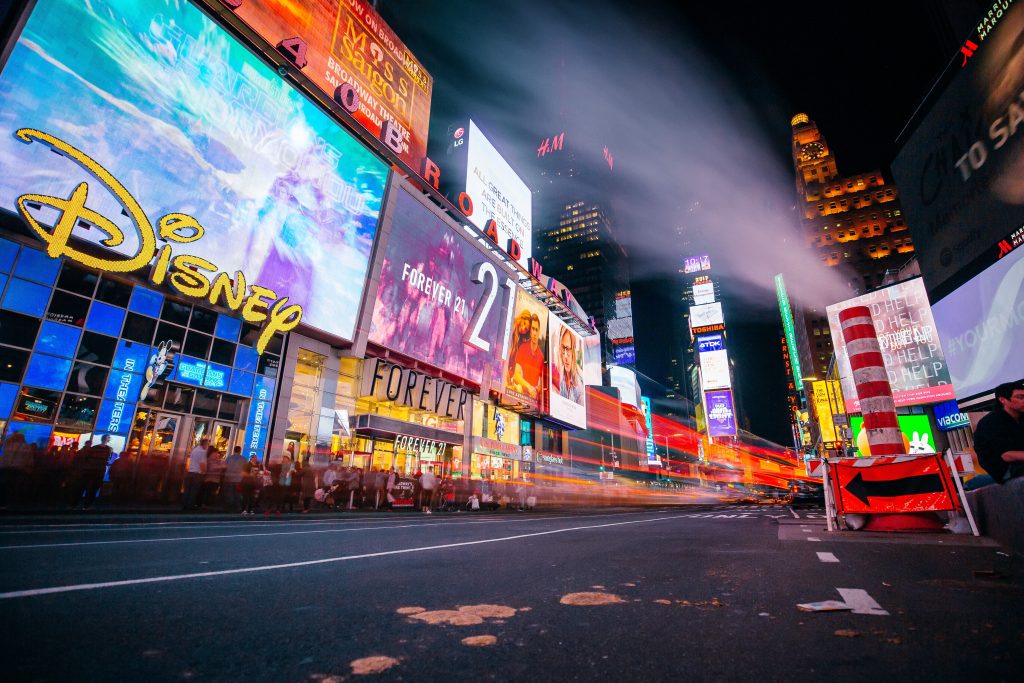
Yes — and the reasons are visible on any street with a modern billboard. LED screens have become the default for digital displays because they solve the problems the older options couldn’t: brightness in daylight, seamless sizing, and a lifespan that outlasts the campaign.
Why LED won. Early digital signage ran on LCD or projection, both of which fight ambient light. LED panels generate their own brightness, hold color in direct sun, and stitch together into walls of any size with no visible seams. That combination made them the obvious choice for anything seen from a distance.
The trend is compounding. Prices for LED panels have fallen for a decade while quality keeps climbing — finer pixel pitch, better contrast, lower power draw. Displays that were only affordable for stadiums a few years ago are now reasonable for a storefront. The market is still moving that direction.
Where it’s headed. Fine-pitch LED is moving indoors — lobbies, control rooms, retail. Transparent and flexible panels are opening architectural uses. And virtual production has given LED a second life as the wall behind film sets, where it replaces green screen. The technology isn’t plateauing; it’s splitting into new applications.
What this means for a business. If you’re choosing a display technology today, LED is the safe long-term answer. It’s brighter, more flexible, and lasts longer than the alternatives, and the cost trajectory keeps improving. The screens on the road ahead are going to be LED — choosing them now means you’re not upgrading again in three years.
