
How to Install an Outdoor LED Display: A Practical Guide
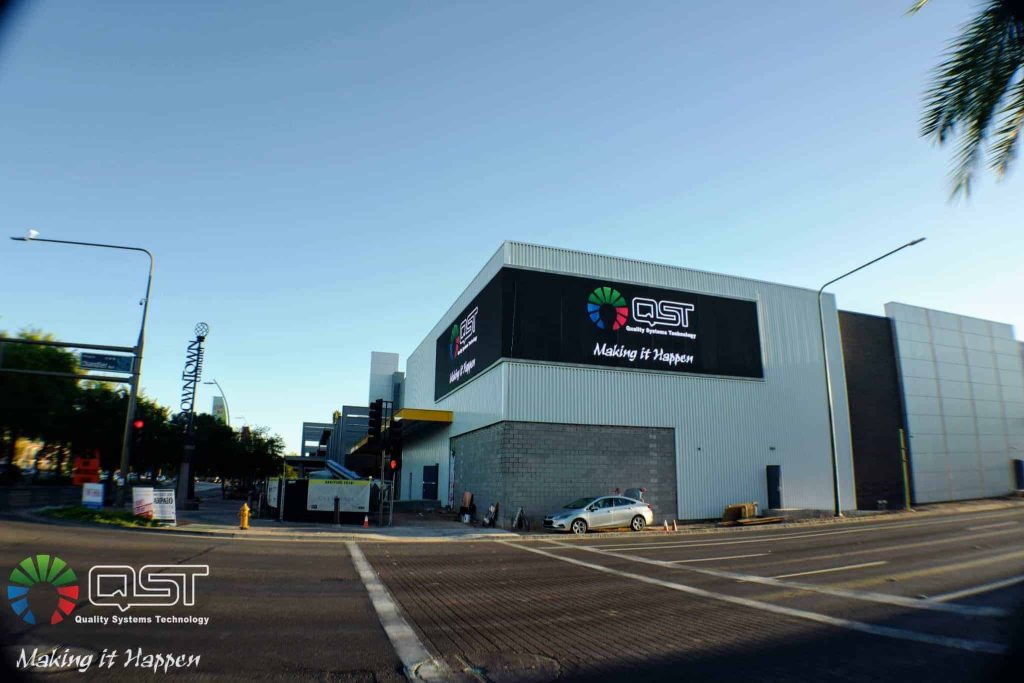
An outdoor LED display is a structural project, not a weekend DIY. Getting it right comes down to planning the site, the power, and the mounting before a single panel goes up.
Start with the location. Look at the sight lines — where will drivers or pedestrians actually see the screen, and from how far? Height and angle determine readability. Check local codes and permitting early; outdoor signage rules vary by city and can change the whole design.
Power and data. Outdoor walls draw real current. Verify the site has adequate, stable power with proper grounding, and plan the data cabling so it’s protected from weather and interference. Surges are the silent killer of outdoor displays.
Mounting and structure. The mounting system has to handle the panel weight plus wind load. A professional structural assessment is worth it — a billboard-sized wall is a sail in a storm. Use rated hardware and follow the manufacturer’s install spec exactly.
Environmental sealing. Outdoor panels are weather-rated, but the installation still needs to keep water out at the seams, connections, and cable entries. Proper sealing now prevents corrosion failures later.
Set-up and testing. After mounting, align the modules, configure brightness for the ambient light at the location, and test across a full day — including the heat of afternoon and the dark of night — before going live. Calibration at install prevents complaints in the first week.
Bottom line. Do the planning, respect the permitting, and use professionals for the parts that are structural. A properly installed outdoor display runs for years; a rushed one is an expensive repair cycle. We handle the whole scope — design, permitting support, install, and calibration.
